Breaking the Endless Running Injury Cycle: Look Beneath Your Ankles
Every dedicated runner knows the frustrating pattern. You build momentum, consistency feels effortless, and fitness peaks—only for a familiar nag in the knee, shin, or hip to halt your progress completely. Weeks of rest follow, motivation tanks, and once the pain fades, you restart from scratch.
It’s easy to blame poor pacing, high mileage, or weak glutes. But frequently, the root cause isn't higher up the chain—it's at the only point of contact between your body and the ground: your feet.
The Illusion of Perfect Form
From a side profile, many runners look textbook-smooth: clean stride, neutral torso, controlled cadence. But a frontal view often tells a completely different story.

When you land, your feet act as shock absorbers and levers. If your foot overpronates excessively or lacks arch stability, your ankle collapses inward. This triggers a kinetic domino effect:
The ankle collapses inward under body load.
The lower leg rotates, causing shin splints or tendon stress.
The knee caves inward (valgus tracking), straining the joint, meniscus, and patellar tendon.
You might be treating knee pain with foam rolling and ice, but you're only addressing the symptom—not the foundation causing it.
Why the Foundation Gets Ignored
Modern running shoes offer incredible cushioning and structure, but they can act like a cast. When the foot is constantly supported, the small intrinsic muscles in the sole and big toe become underutilized.
When you increase your training load, those sleepy foot muscles fail to stabilize impact forces, delegating stress upward to joints and tendons that weren't built to handle it.
Rebuilding Your Foundation from the Ground Up
To break the cycle of injury and rebuild confidence, shift your focus down to foot and ankle mechanics:
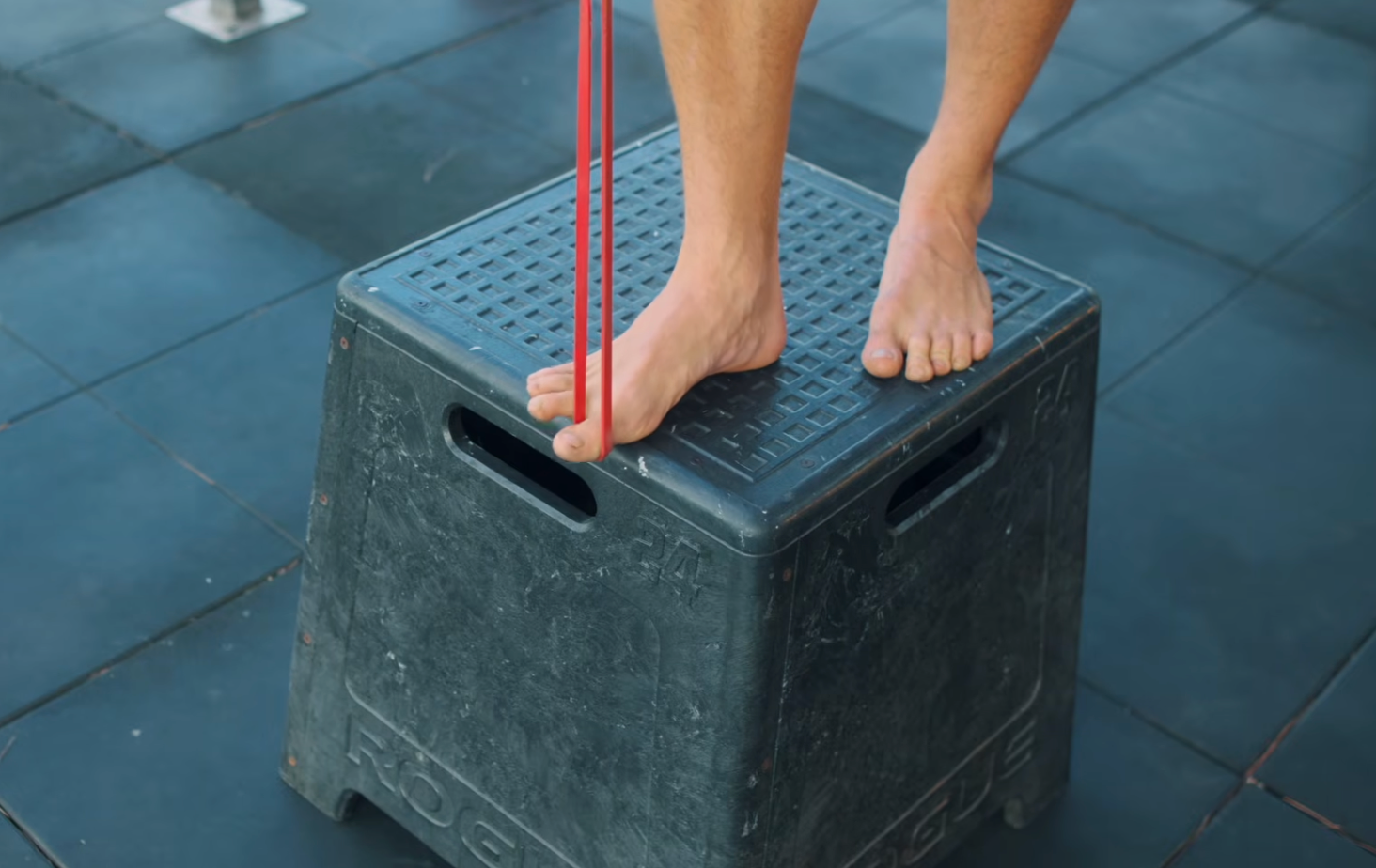
Activate the Big Toe (First Ray): The big toe provides crucial directional stability during push-off. Simple drills like toe-splay holds and big-toe press downs re-establish neuromuscular control.
Dorsiflexion & Ankle Mobility: Limited ankle range forces the foot to pronate artificially to clear the ground. Targeted calf stretches and ankle joint mobilizations create better clearance.
Foot Intrinsic & Ankle Strength: Exercises like single-leg balance holds on unstable surfaces, foot doming (short foot exercise), and resisted inversion/eversion strengthen the kinetic chain where it matters most.
The Bottom Line
Before rewriting your training plan or changing your shoes for the third time this year, dedicate 10 minutes a day to foot and ankle strength. Restoring stability at the ground level allows the rest of your body to move smoothly, keeping you out of the rehab clinic and consistent on the roads.